
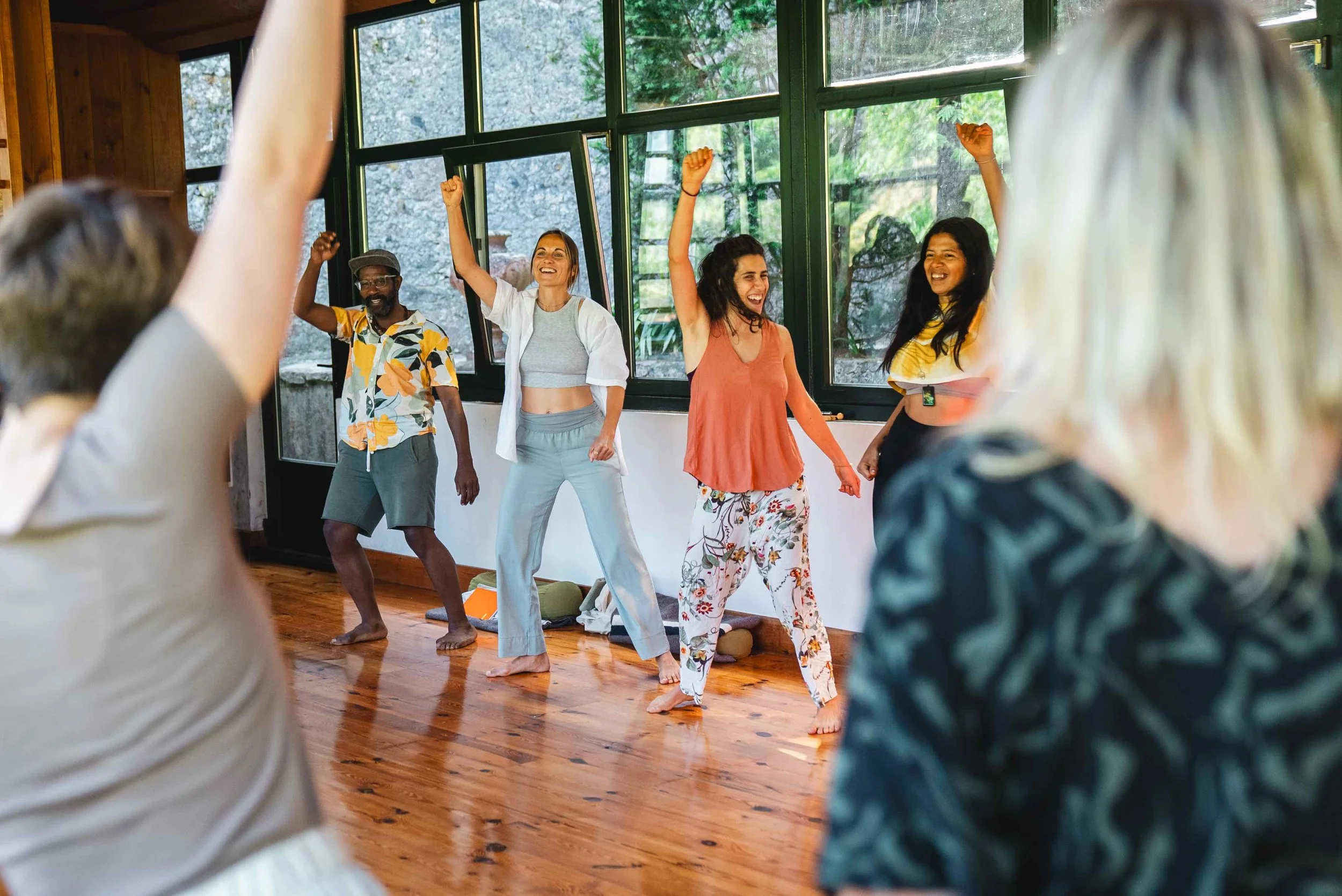
What is The Embodied Voice Practitioner Training?
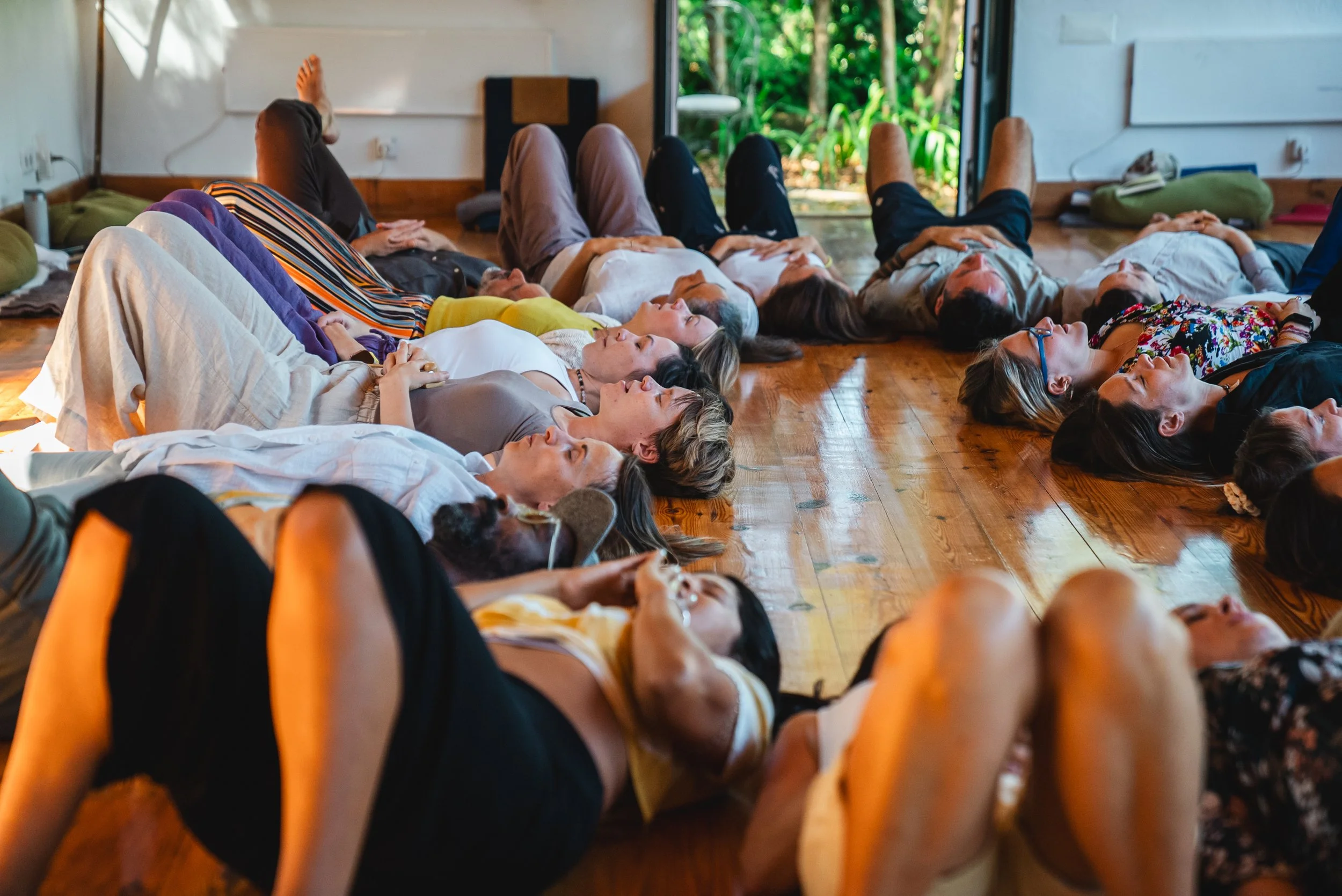
Step behind the scenes of The Embodied Voice and discover the foundations of this transformative practice. Developed by vocal artist and facilitator Kate Smith, The Embodied Voice brings together voice, movement, and improvisation as a pathway to greater aliveness in mind and body.
After a decade of creating, researching, and teaching around the world for people from all walks of life, Kate now opens the door to her methodology — sharing the discoveries, tools, and principles that enable her to guide profound personal and collective journeys.
This non-residential 8 day training is designed for a cosy cohort of 10 practitioners, offering an immersive but spacious experience in the magical landscape of Sintra, Portugal.
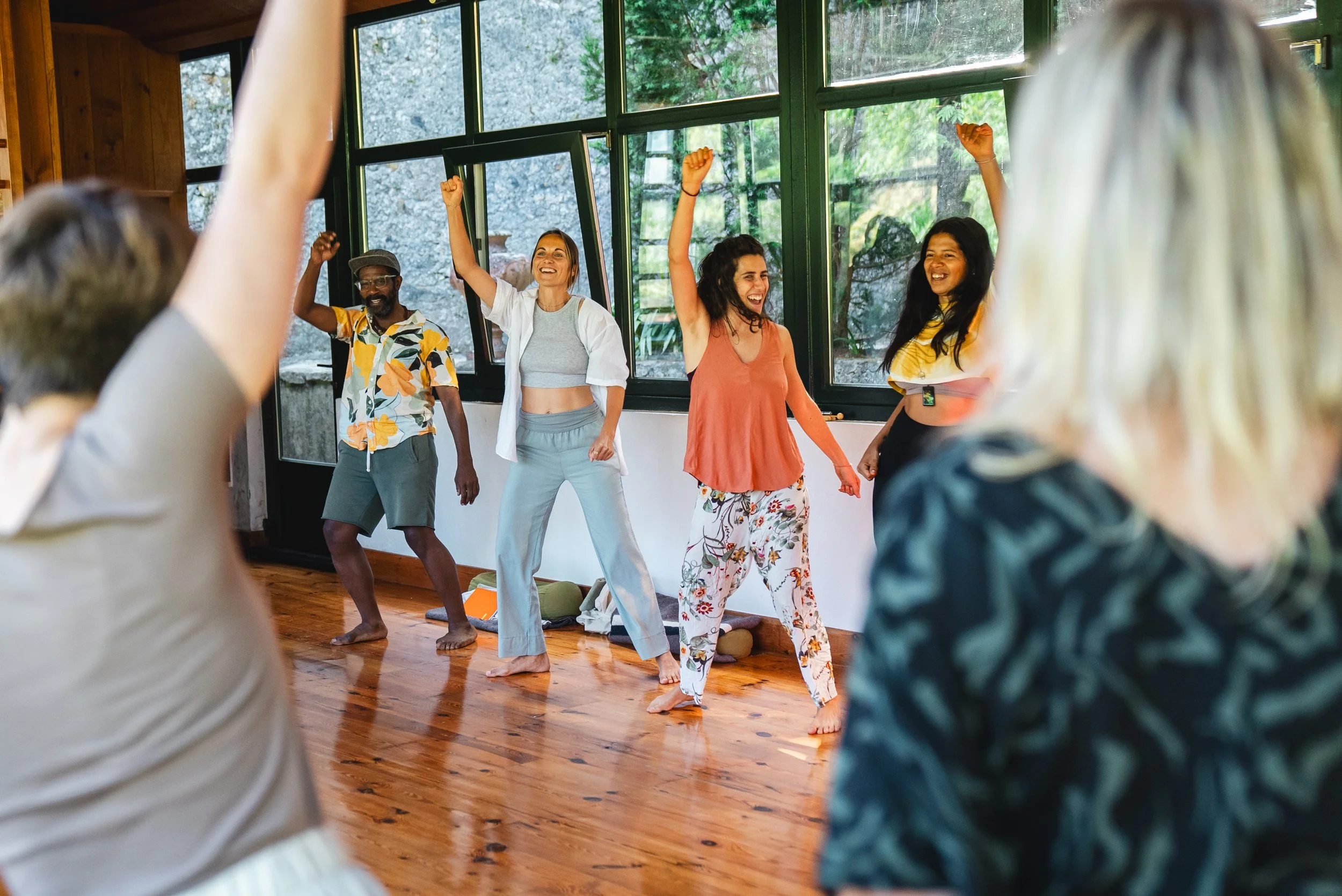
““I have expanded my comfort zone, I have had fun, I have learned new stuff, about myself and my capabilities and connections in my body in a way that gave me more joy and peace, and I think more people doing this could give more peace in the world… through hearing each other, seeing each other, feeling each other, healing each other, singing together, and moving together, each one in our own time.””
What You Will Learn
The Embodied Voice workshops take many forms, and investigate a range of inquiries. This training is therefore less about teaching all there is to know about voice and body science (although we will also touch on some important foundational knowledge), and more about the principles behind the approach and the applied methodology.
The training covers four core pillars of The Embodied Voice facilitation:
1. Somatics & the Singing Body
Somatics and embodiment principles
Nervous-system & (co)regulation
Cycle of experiential learning & sensorimotor feedback loops
Biotensegrity and vocal–fascial connections
Somatic cueing and facilitation techniques
Unwinding cultural myths about body and voice
Self-image, brain maps & functional movement
2. Expressive Voice
Nurturing the body–voice connection
Reclaiming emotion and accessing creative states
How to hold safe spaces for vocal exploration
Witnessing and being witnessed
Working with space, environment, and relational presence
Connecting with the more-than-human world
3. Vocal Improvisation
Improvisation as a tool for human research
Collaborative, non-hierarchical co-creation
Musicality, attunement, and flow
Roles, presence, and listening
Embracing uncertainty and risk
Improvisation as a spiritual path or way of life
4. Leadership & Facilitation
Embodied leadership - how your body and voice shape the group experience
Planning vs. improvising
Facilitator vs. teacher, holding non-heirarchical learning spaces
Integration - applying this work in your field
Embodied activism for cultural regeneration & systemic wellbeing
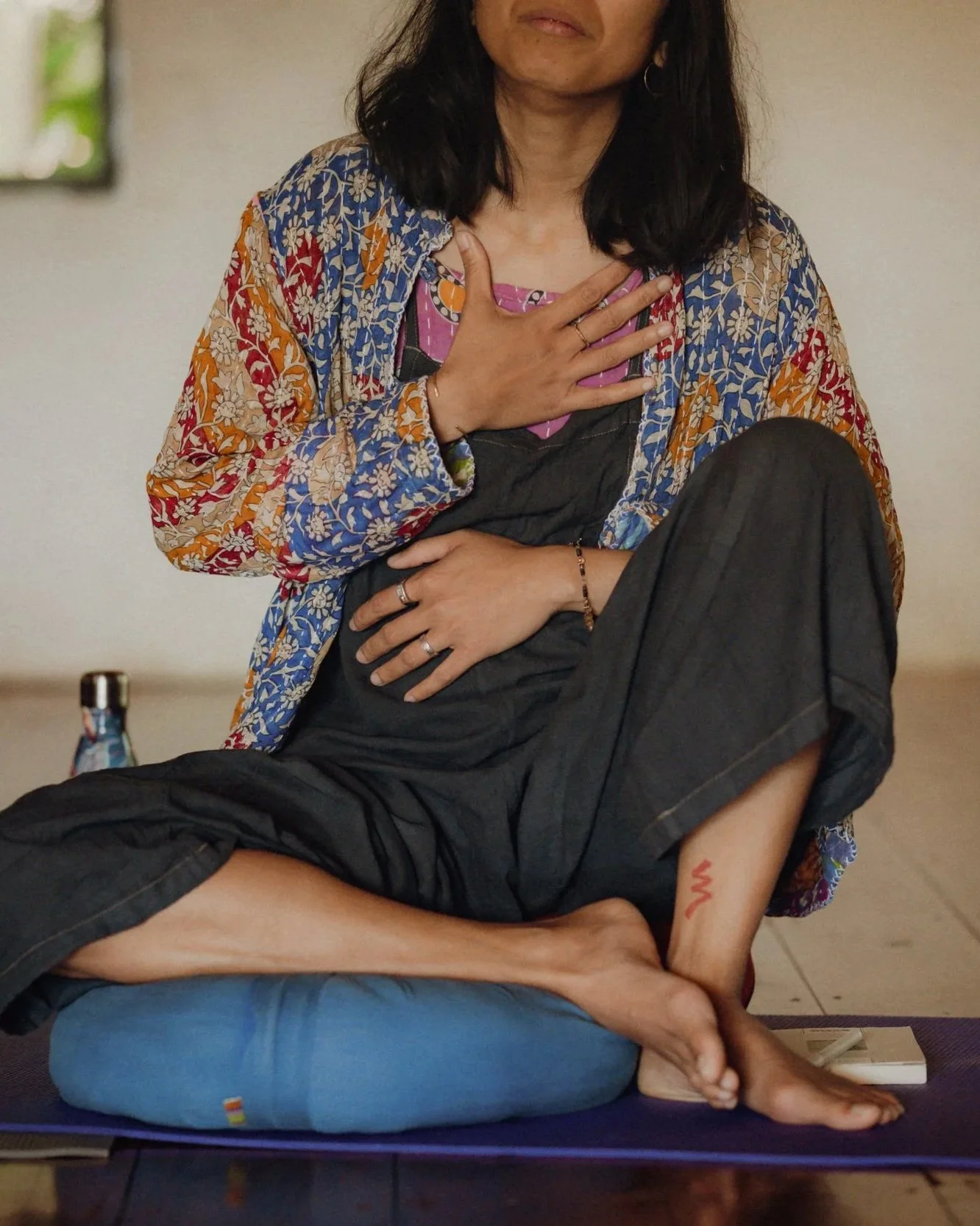
“Allowing myself to feel joy in my body and therefore my voice! I had been feeling creatively and vocally “stuck”/stressed about how I was creating sound, and through these workshops I’ve found lightness, fun, and joy again - it’s less of a battle. Embodied Voice = harmony between body + sound, thinking with my body and feeling aware of how it supports me!”
What You Will Gain
✔️ A deeper, more integrated body–voice relationship
✔️ Tools for somatic awareness and nervous-system literacy
✔️ Experience in expressive voice and improvisational practices
✔️ Skills for holding embodied, trauma-aware spaces
✔️ Greater clarity, authenticity, and creative agency
✔️ A fuller sense of purpose in your work and leadership
✔️ Personal insight into blocks, patterns, and creative edges
✔️ Connection to your own creative voice and to a supportive cohort
“Kate’s facilitation is seriously joyful and expansive, bringing out permission to play out of every participant, wherever it is they are at in their paths and relationship with their voices-bodies. I’m really grateful to have met and participated in a retreat guided by Kate!”
Why This Work Matters
- a word from Kate -
“All the creativity and free-ranging mobility that we have come to associate with the human intellect is, in truth, an elaboration, or recapitulation, of a profound creativity already underway at the most immediate level of sensory perception. The sensing body is not a programmed machine but an active and open form, continually improvising its relation to things and to the world”
I came to this practice in what I thought was a search for answers, and what I have found is a lived paradox - both an ever sharpening clarity and an ever growing mystery.
To move, to sound, to sing, is to rewild myself, to continually connect with my subjective lived experience as a body in a world of bodies, human and more-than-human. But this way of being is fundamentally opposed by so many of the currents of our modern day life - the push towards living in an online disembodied world, turning everything into something that can be sold, existing in an abstracted world of not-enough-ness.
So what began as an artistic pursuit has now become a guiding force in my everyday life, my way of pushing back, of returning to the essential sources of knowing - of feeling. My practice in the studio is the starting point for my activism outside of the studio. In this sense, I experience increased clarity in my body, in my mission, in my work. And at the same time, that clarity is increasingly grounded in a deep respect and love for the unfathomable - the richness of a world that can never be fully known or understood - for what can only be felt and expressed through art. Of course, there are countless ways to live this pursuit - maybe it’s surfing, or cooking, or cold swimming. For me, it’s singing.
This is what I believe sets The Embodied Voice apart from other movement modalities. There are no answers here, only questions, and the loving embrace of a community that understands we are all perfectly flawed humans trying to grasp at the mystery with the tools at hand.
This work matters because the world can feel like a dark and harsh place, and we need more embodied humans(artists) - feeling, channeling, connecting, speaking, singing, expressing - reminding us of the light.
Who Is This Training For?
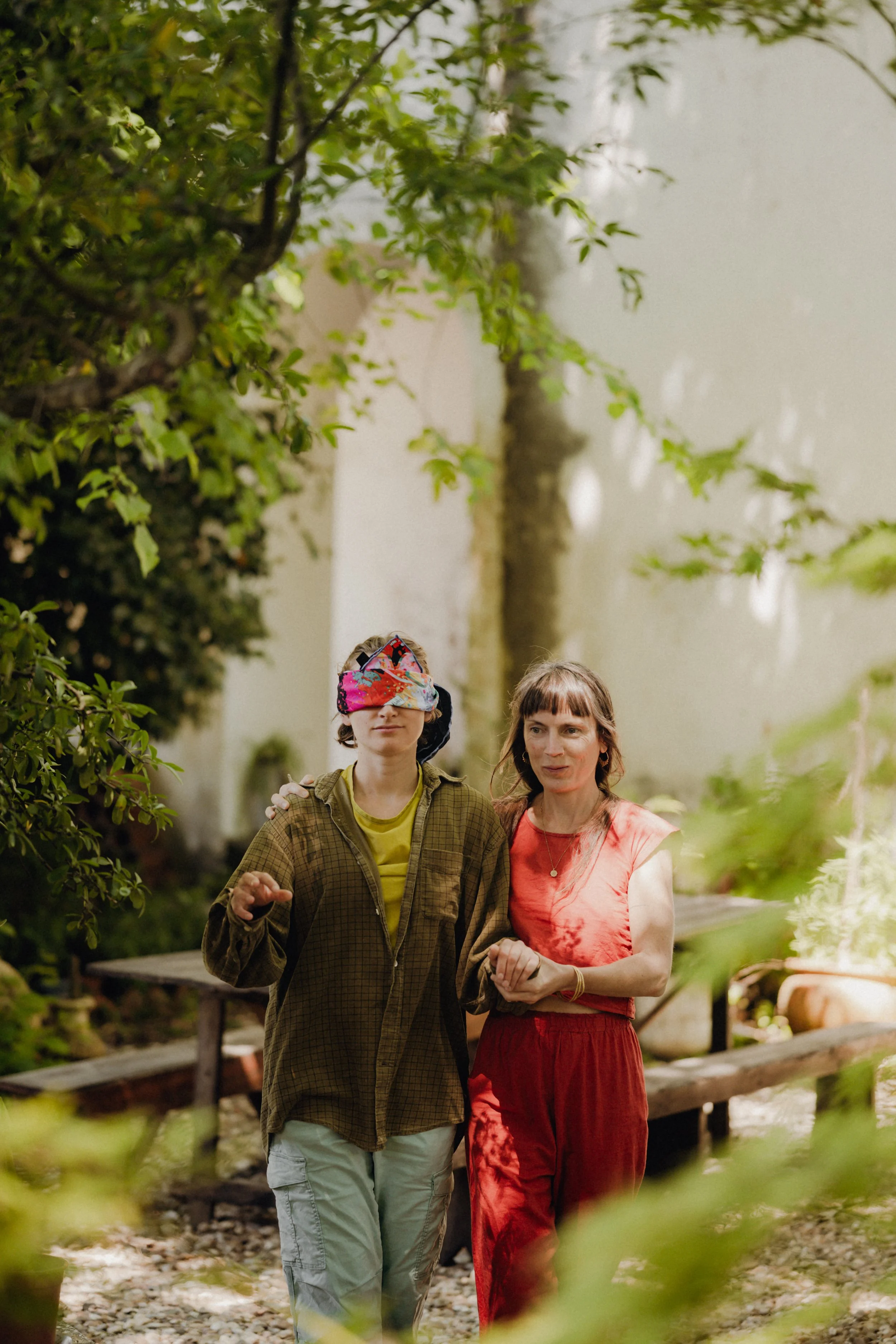
This training is for dedicated practitioners working with voice, body, creativity, movement, or facilitation in any form.
You might be:
A yoga or movement teacher
A workshop facilitator
A professional or amateur musician
A singer or vocal practitioner
A bodyworker or therapist
A multi-disciplinary artist
A student or a lifelong learner
What matters most is not your job title, but that you:
✔️ have an active, ongoing practice
✔️ want to deepen your craft
✔️ are curious about the meeting place of body, voice, and improvisation
You may be right for this training if:
You have a movement practice but voice is new
You use your voice professionally but want more somatic depth
You're a mover and a singer but haven’t woven them together before
You come from traditional performance and want more improvisational freedom
Is This a Certified Course?
No.
This is not a certification or teacher-training program, and The Embodied Voice is not an accredited modality.
The aim is to deepen your own practice, not to qualify you to teach The Embodied Voice as a formalized method.
Prerequisites
To join the Practitioner Training, you must:
Have completed at least one of Kate’s online courses
(The Basics Toolkit, Flip the Script, Self-Image)OR
Complete Somatics & the Singing Body Online Court, either live or via recordings.
Additionally, participants must:
Have some singing experience
Be able to hold pulse, reproduce rhythms, and sing in harmony
Ideally have some experience with vocal improvisation
This training is not suited for beginners in voice.
If you are completely new to improvisation, please see if you can do some workshops before in the in-person training in Sintra. Get in touch and Kate can recommend some of her colleagues’ workshops in the UK, Europe, and USA.
A good starting resource: TheWellVocal.com
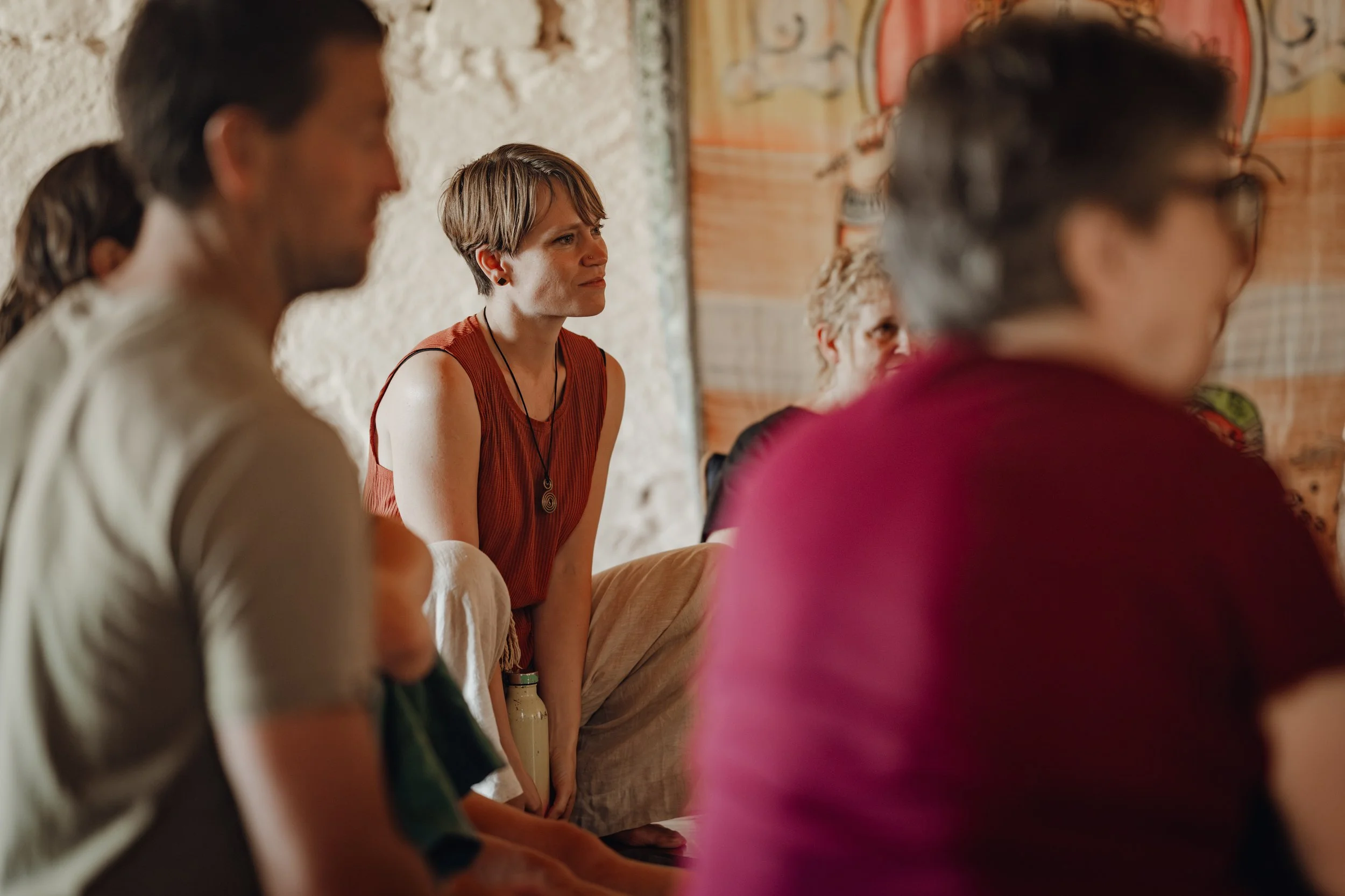
“Kate thrives in her clear structures but keeping concepts flowing between them, whilst leaving space for exploration and play based on what she sees the participants have interpreted. Cleary she has experience from many backgrounds all colliding into a session. It’s beautiful to be in her presence. ”
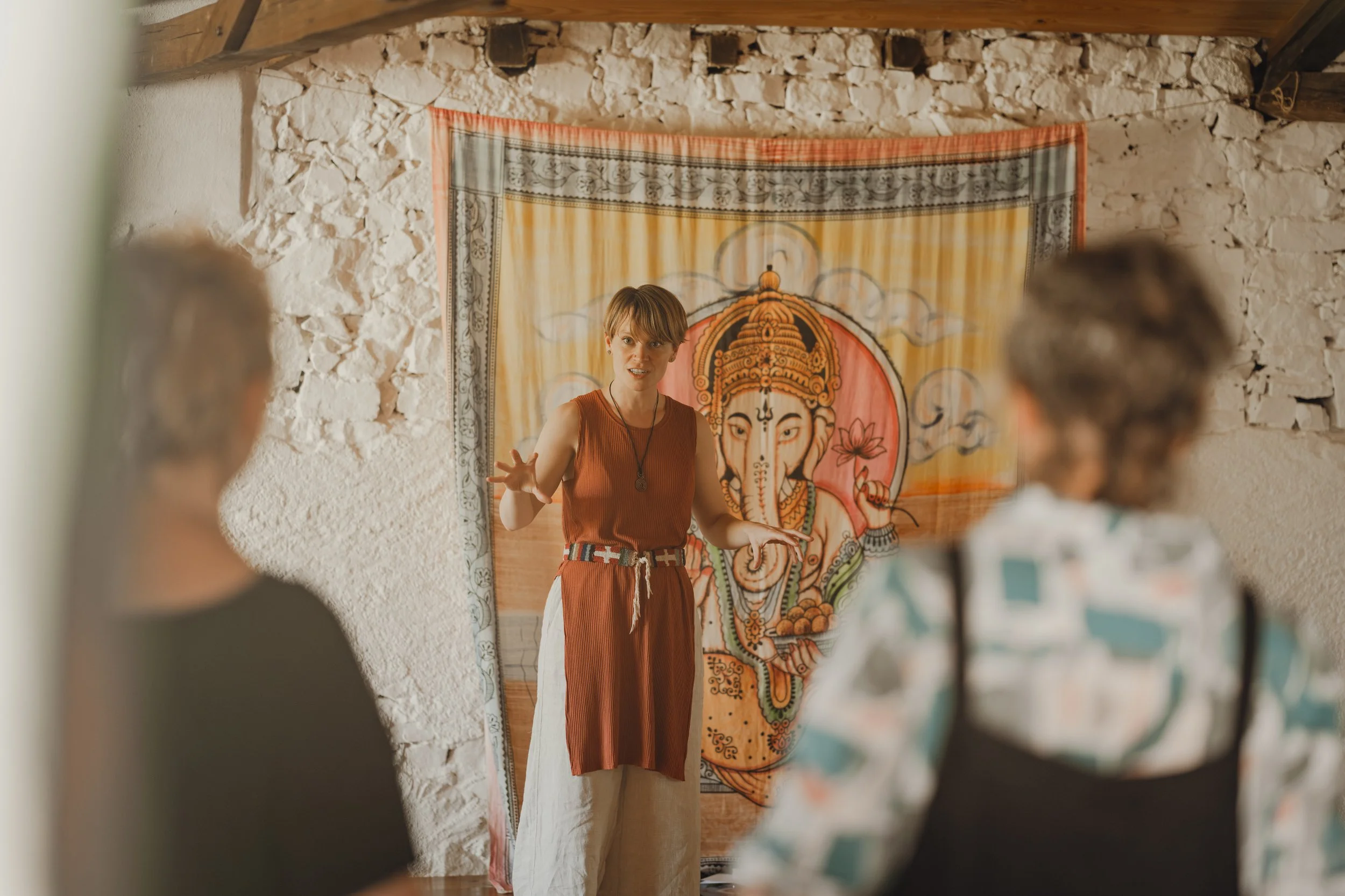
About The Embodied Voice
Kate Smith has been researching the crossroads of voice, movement, and improvisation since embarking on her Masters in Music Leadership at the Guildhall School of Music and Drama (2015). With roots in classical voice and a multi-disciplinary background across visual art, film, and music, she has long sought the deep principles that connect peoples and practices across perceived boundaries.
The Embodied Voice emerged as her way to investigate these fundamental questions through embodied practice, continuous experimentation, and playful curiosity.
Kate’s practice therefore draws from many influences — yoga, Alexander Technique, Feldenkrais Method®, Body-Mind Centering®, mindfulness, contact improv, dance, and theatre. Kate has studied with a variety of leading artists in the voice and movement fields, including Meredith Monk, Bonnie Bainbridge-Cohen (BMC), Seke Chimutengwende, Margaret Pikes (Roy Hart Theatre), Grzegorz Braal (Song of the Goat), and more. She studied Feldenkrais-based vocal pedagogy with Robert Sussuma, and is certified in trauma-informed facilitation (CMA) and a 200hr Authentic Flow Yoga teacher.
Kate’s workshops can therefore run the gamut from sessions of soulful sounding, to technical lessons on voice-body anatomy, to creative games for embodied musicality, to wild and playful movement explorations. What holds all the diversity of approach together is Kate's consistent commitment to holding safe and welcoming spaces that encourage us to reconnect to our essential being.
Kate has facilitated at international festivals, NHS CPD sessions, yoga trainings, mental health centres, special needs contexts, and educational institutions across Europe and Asia. She also enjoys a lively career as a musician and composer. She released an album of her own compositions for voice, movement, and improvisation, Songs from the Body, in 2023. As a dedicated vocal improviser, she is a founder of the UK Vocal Improv Collective, and sings with vocal improv ensembles Oöm (with Emma Coleman, Phoebe Martha, and Kate Mellors), and Anthropos: Songs of Humanity (with Guillermo Rosenthuler, Jaka Škapin, and Sylvia Schmidt). Their albums include: Oöm, Horizons Within, Remembering, Anthropos, Wellspring, Live from Zupanova Cave, and Circular Whisper.
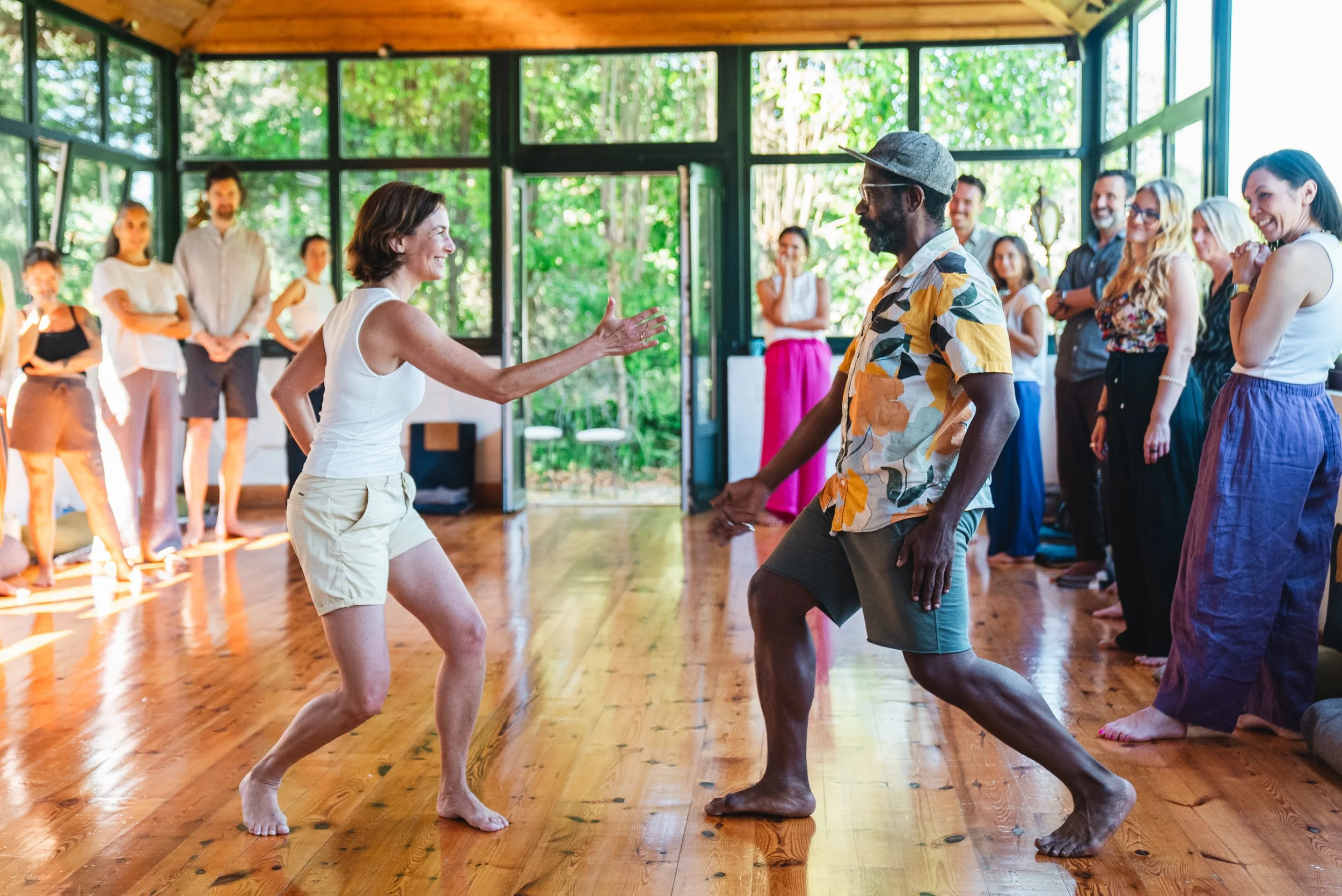
Course Structure
Preparation (Online)
I.
Somatics & the Singing Body — Online Course
Thursdays March 12, 19, 26, April 2
5:30–7:30pm
* not required if you have already attended another The Embodied Voice online course, also possible to do from recordings at a later date
x 8 hrs
3 Orientation Calls - Online Group Calls with the Practitioner Training Cohort
Tuesdays October 6, 13, 20
3–5pm or 6–8pm (we’ll poll the group for which time is best)
x 6 hrs
Topics include:
A deeper dive into nervous-system foundations
Focus on key voice & body anatomy principles around breath and neuroscience
Discussion of assigned readings
Unpacking the social and cultural dimensions of somatic work
Reading list includes chapters from:
Radical Wholeness, by Philip Shepherd
Bodyfulness, by Christine Caldwell
Embodied Activism, by Rae Johnson
The Spell of the Sensuous, David Abram
The Singing Cure, Paul Newham
Body Keeps the Score, Besel Van der Kolk
Play, by Stuart Brown
II. In-Person Training in Sintra
October 24 – November 1, 2026
The schedule balances immersion with integration and rest, including time for exploring Sintra’s cultural sites. Lunch will be catered for us on site. Your evenings will be free.
Sample Schedule
Day 1 — Arrival & group dinner
Days 2–3 — Somatics & the Singing Body
Day 4 — Expressive Voice + afternoon free
Day 5 — Vocal Improvisation
Day 6 — Expressive Voice & Vocal Improvisation
Day 7 — Morning free + Leadership
Day 8 — Leadership + Integration/Closing + group dinner
Day 9 — Departures
III. Post-Training Integration Call (Online)
November 17 — 3–5pm or 6–8pm (we’ll poll the group for which time is best)


Location & Accommodation
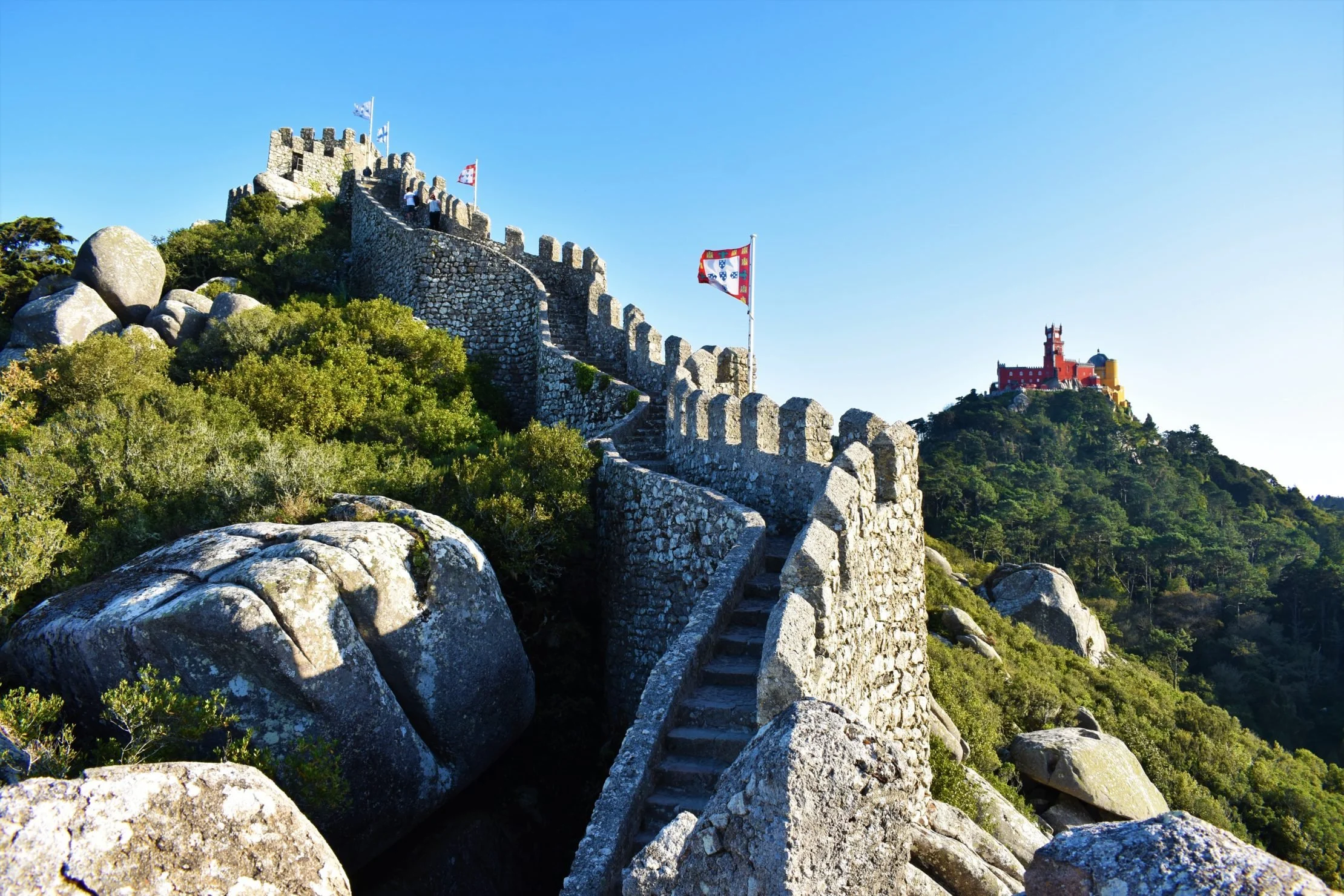
Sintra
Sintra is a charming town about 40 minutes drive or train ride from Lisbon. “A longtime royal sanctuary, its forested terrain is studded with pastel-colored villas and palaces.”* Nestled in the foothills of Sintra Mountain, Sintra is known for its magical quality. It offers the perfect balance of serenity and accessibility: beautiful nature, vibrant culture, and everything you need within walking distance. You’ll be able to fully engage in the training while having the freedom to unwind, explore, and integrate at your own pace.
*Google Knowledge Graph

Floresta Encantada
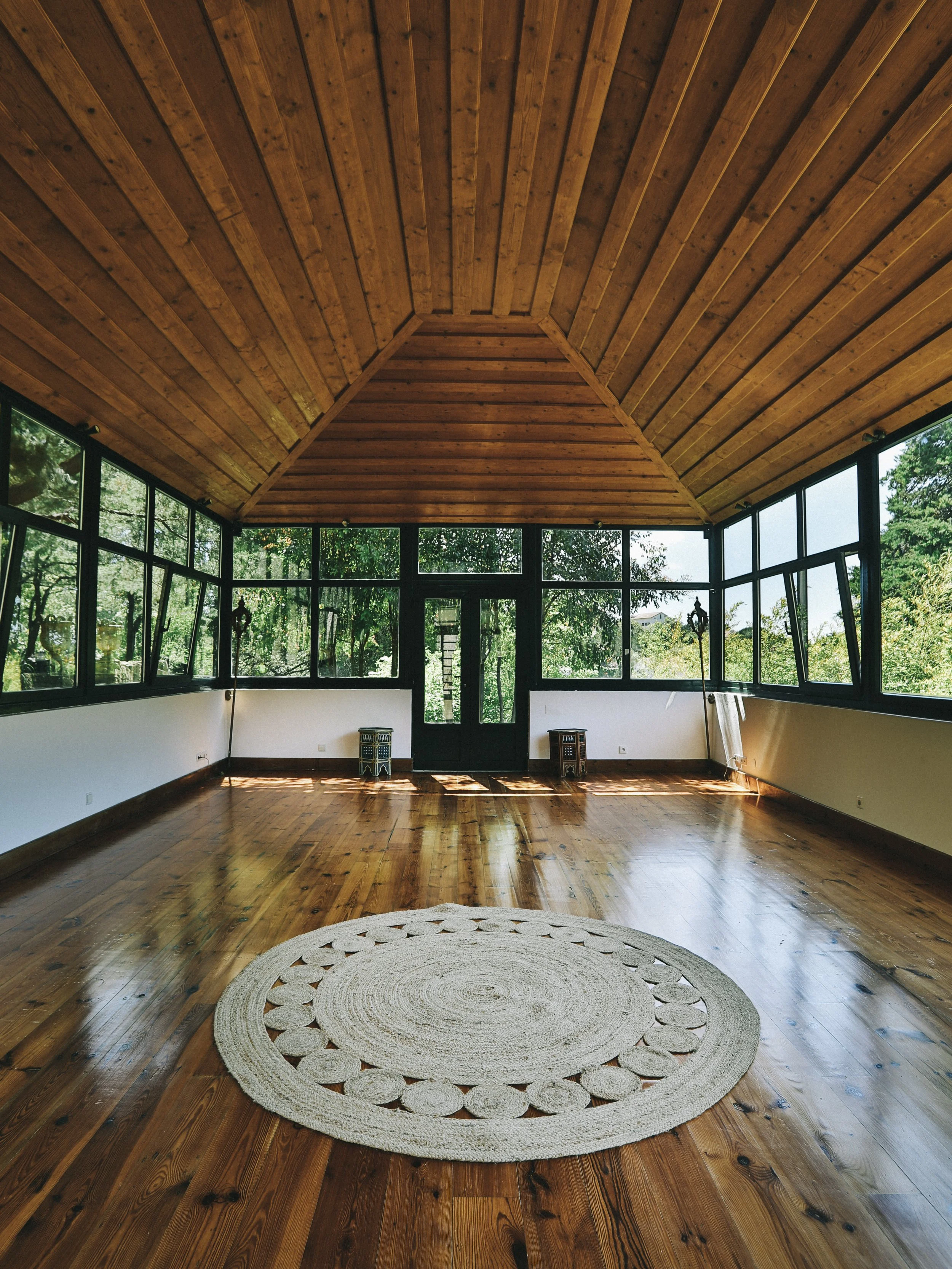
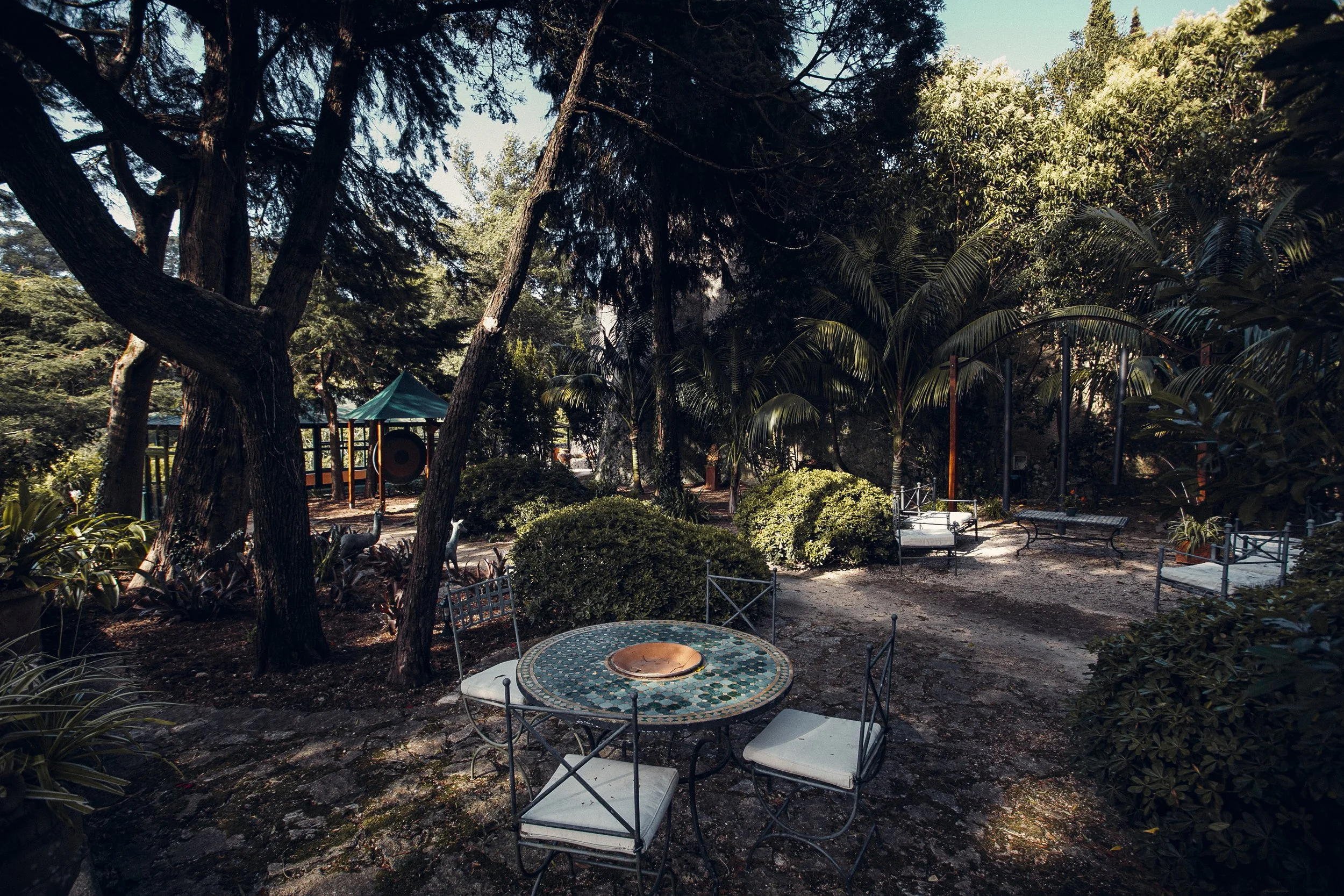
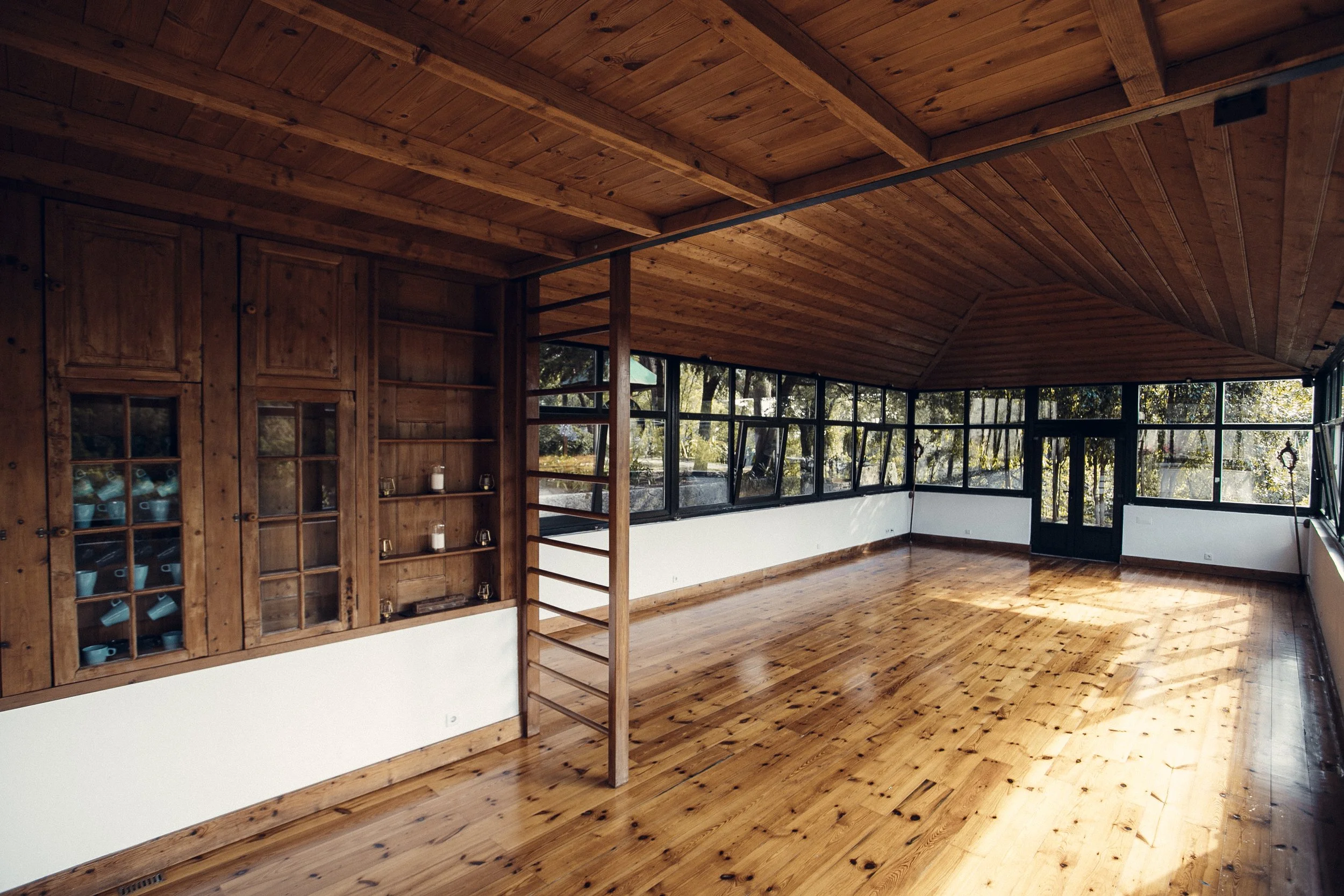
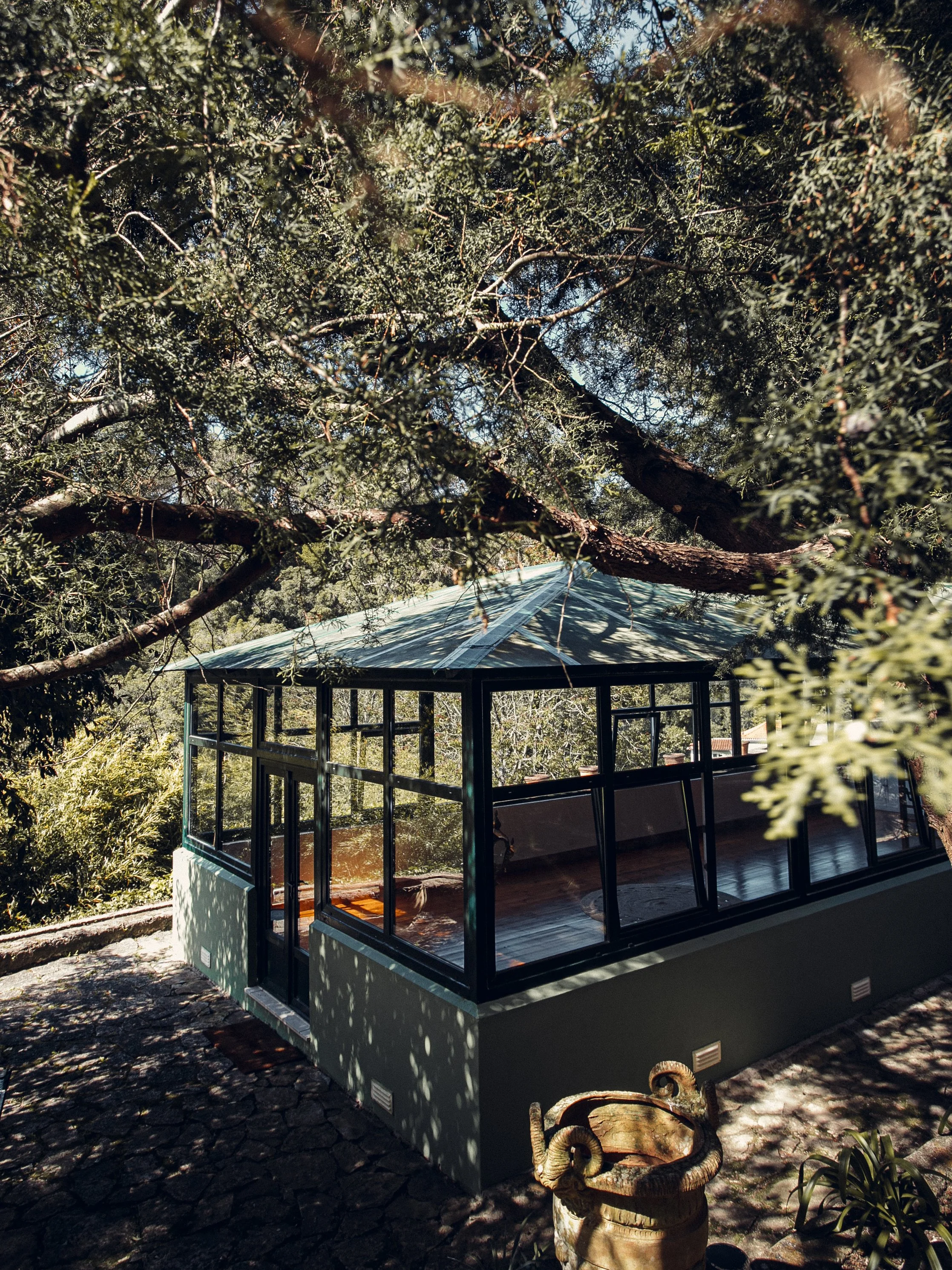
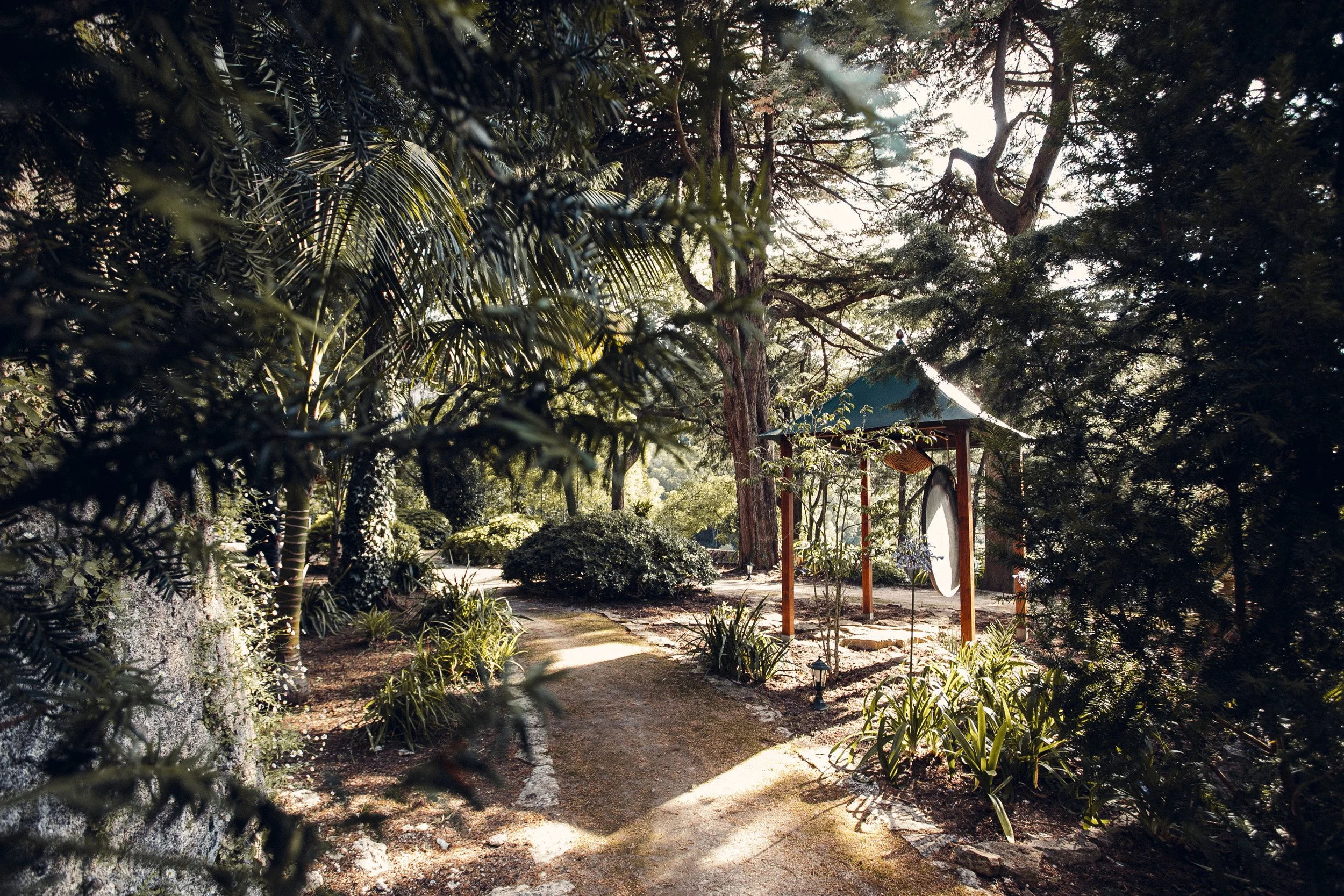
Our home for the training will be Floresta Encantada. It is a 10 minute walk from the train station and close to many sites in Sintra.
Caminho Azenhas 5, 2710-540 Sintra, Portugal
Find Floresta Encantada on google maps
There are many charming restaurants within walking distance of Floresta Encantada, as well as a little grocery store by the train station.
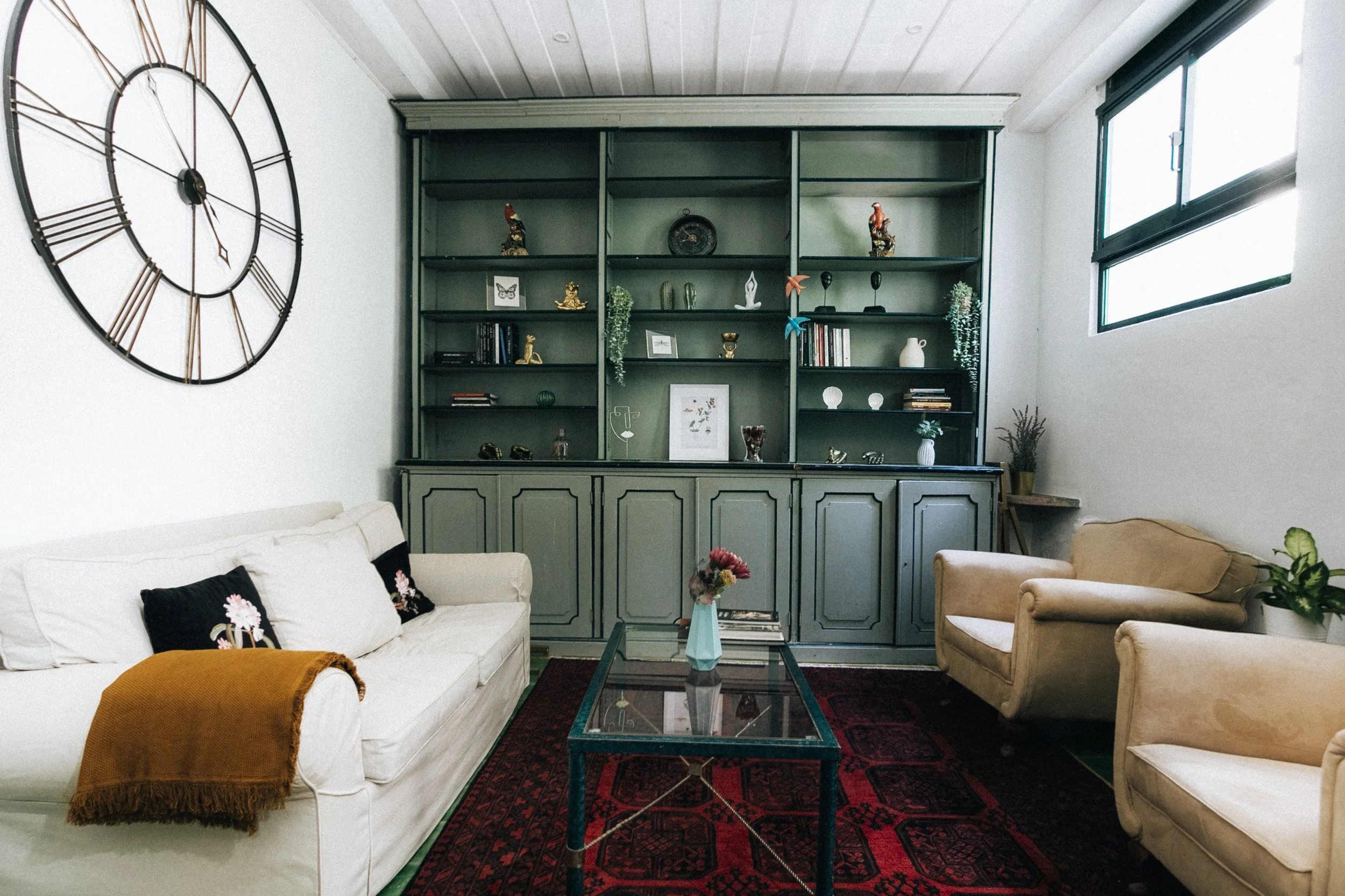
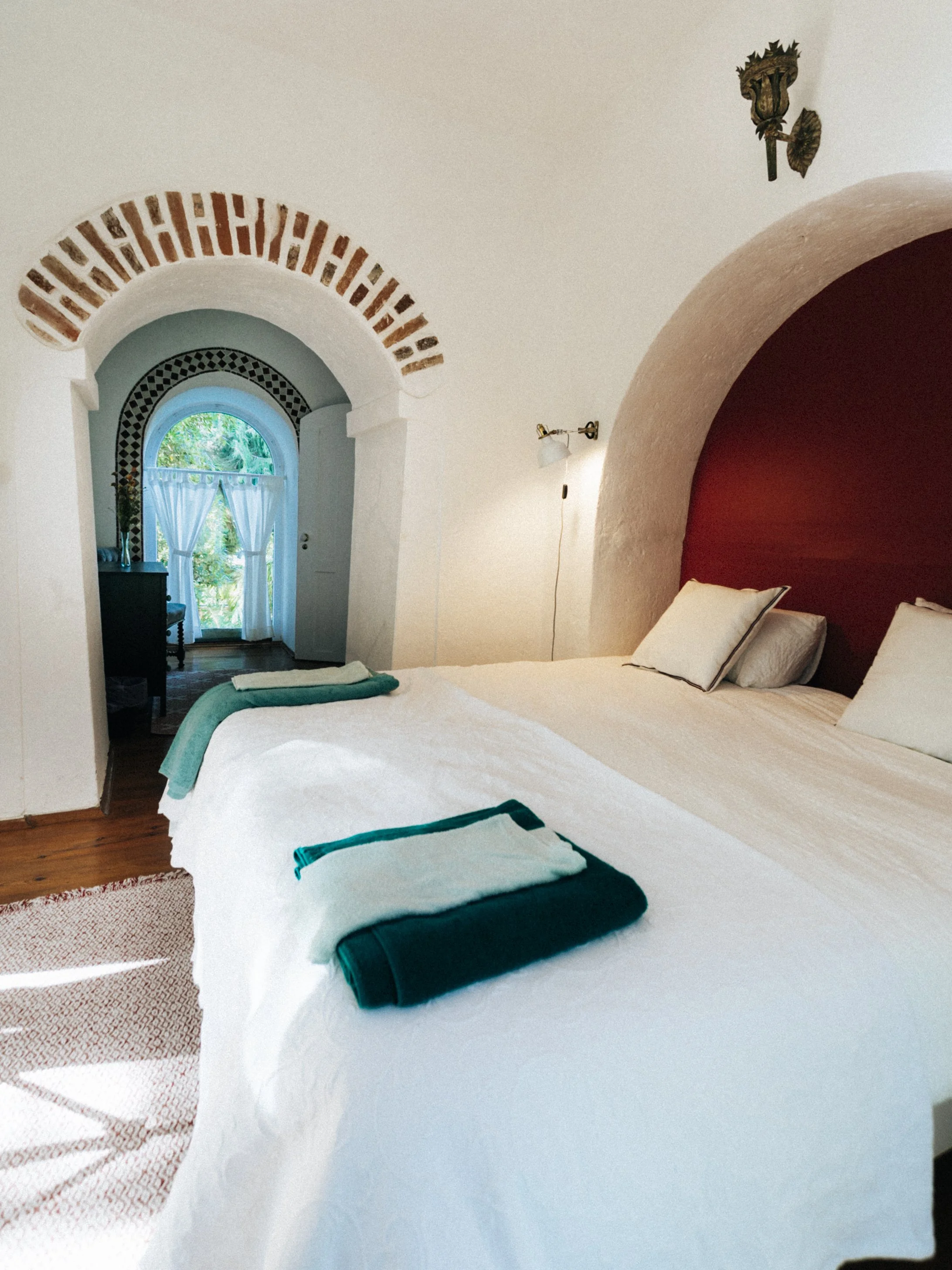
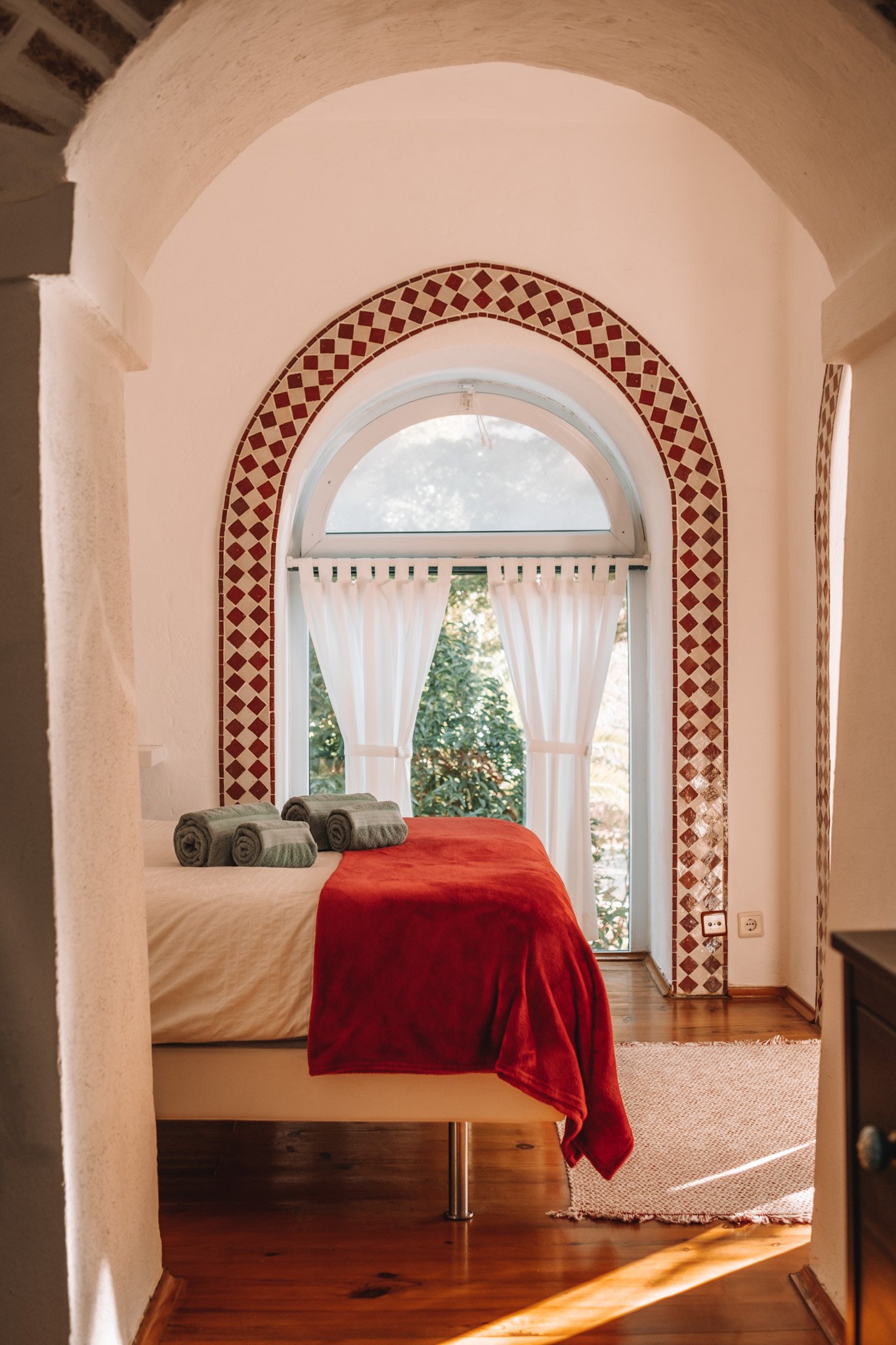
Onsite Lodging @ the Casita, Floresta Encantada
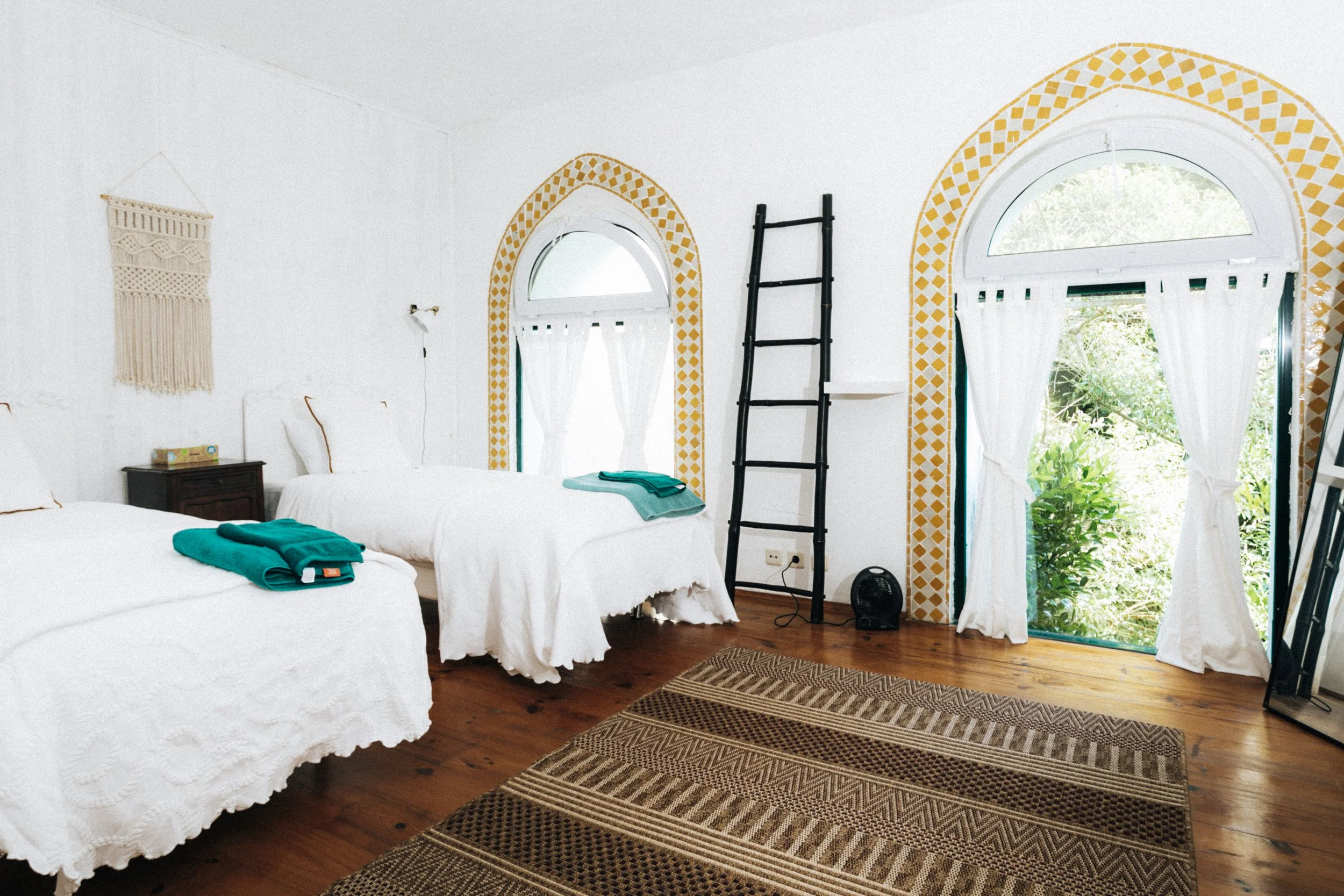
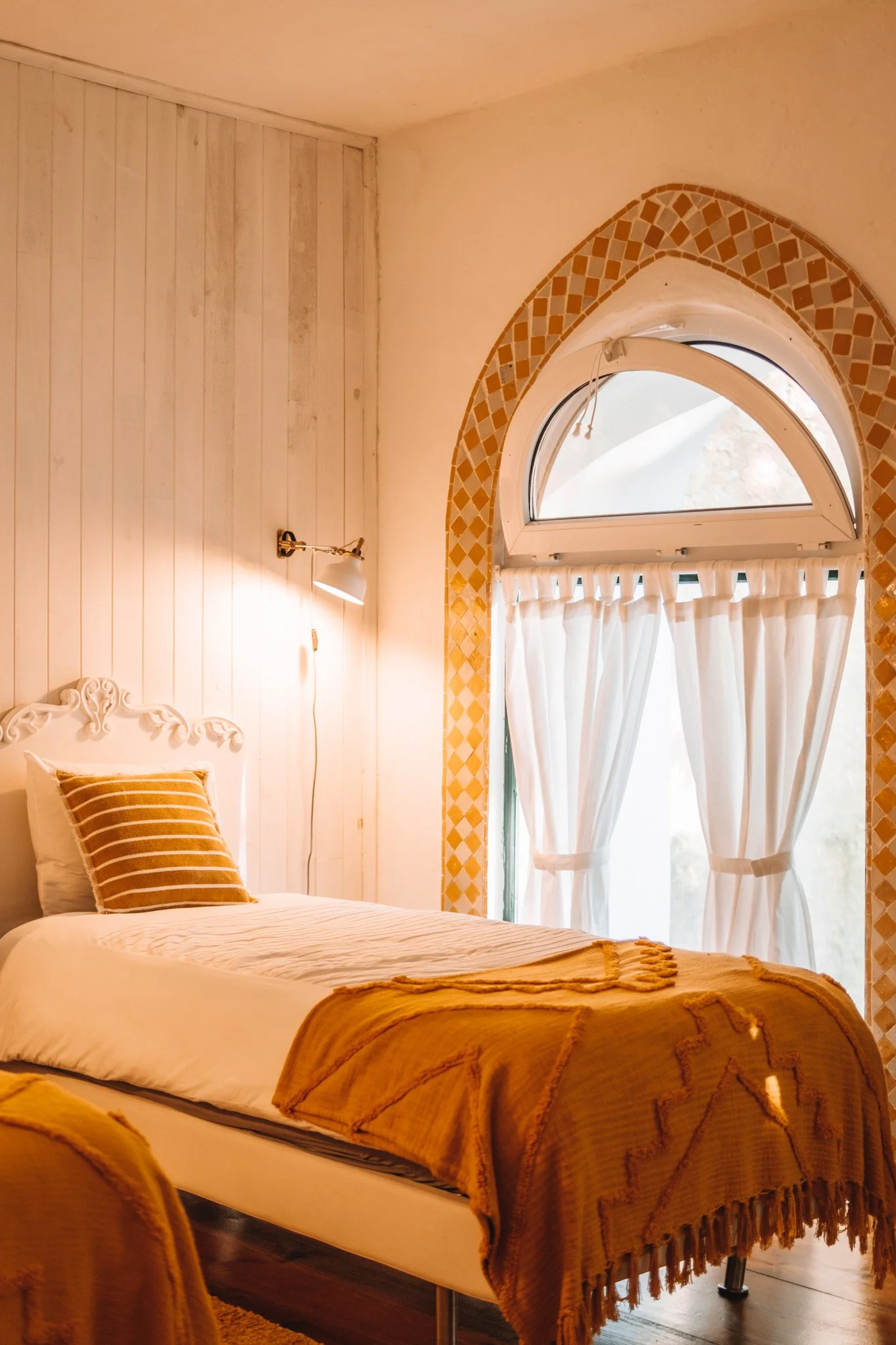
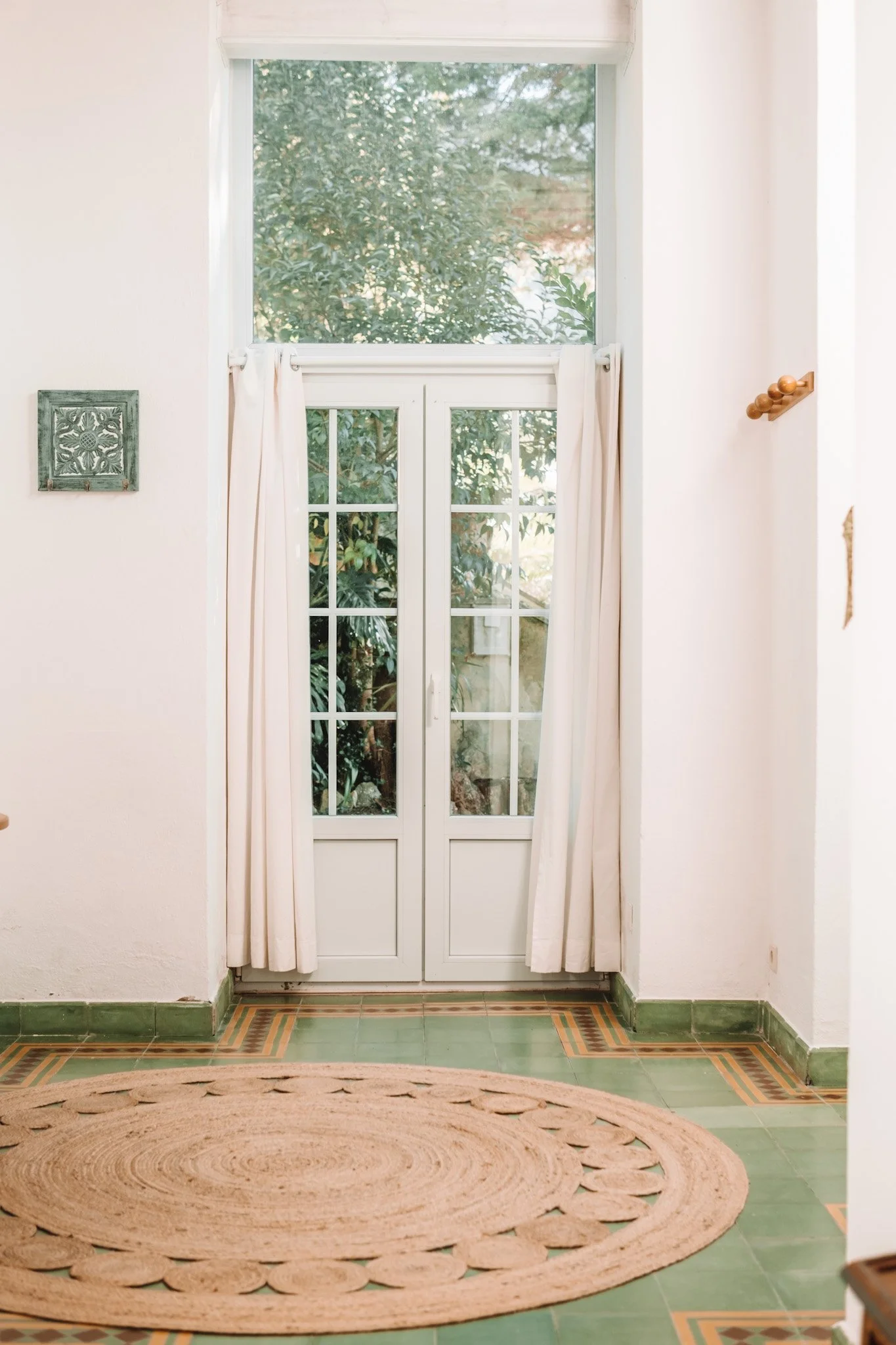
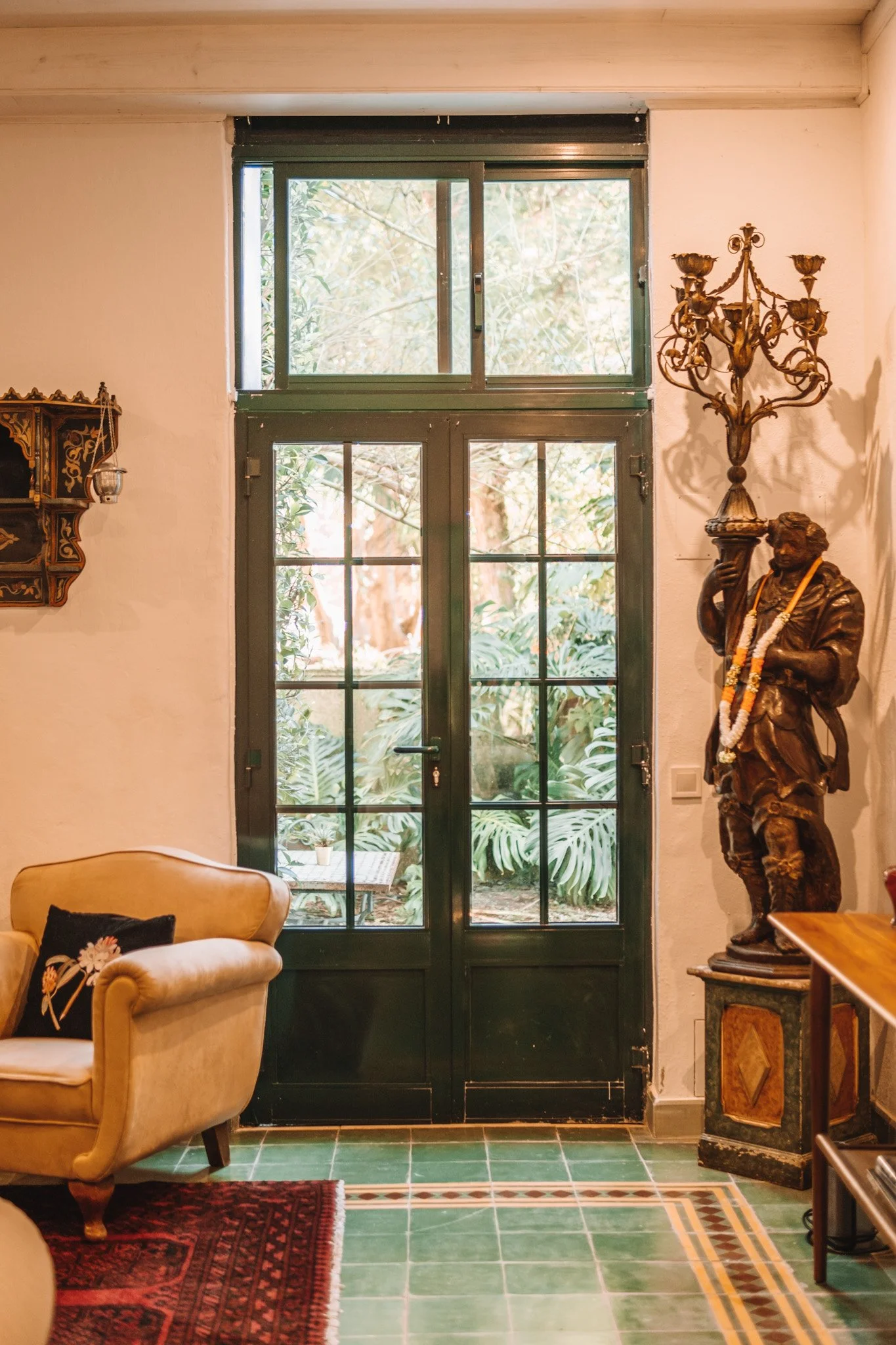
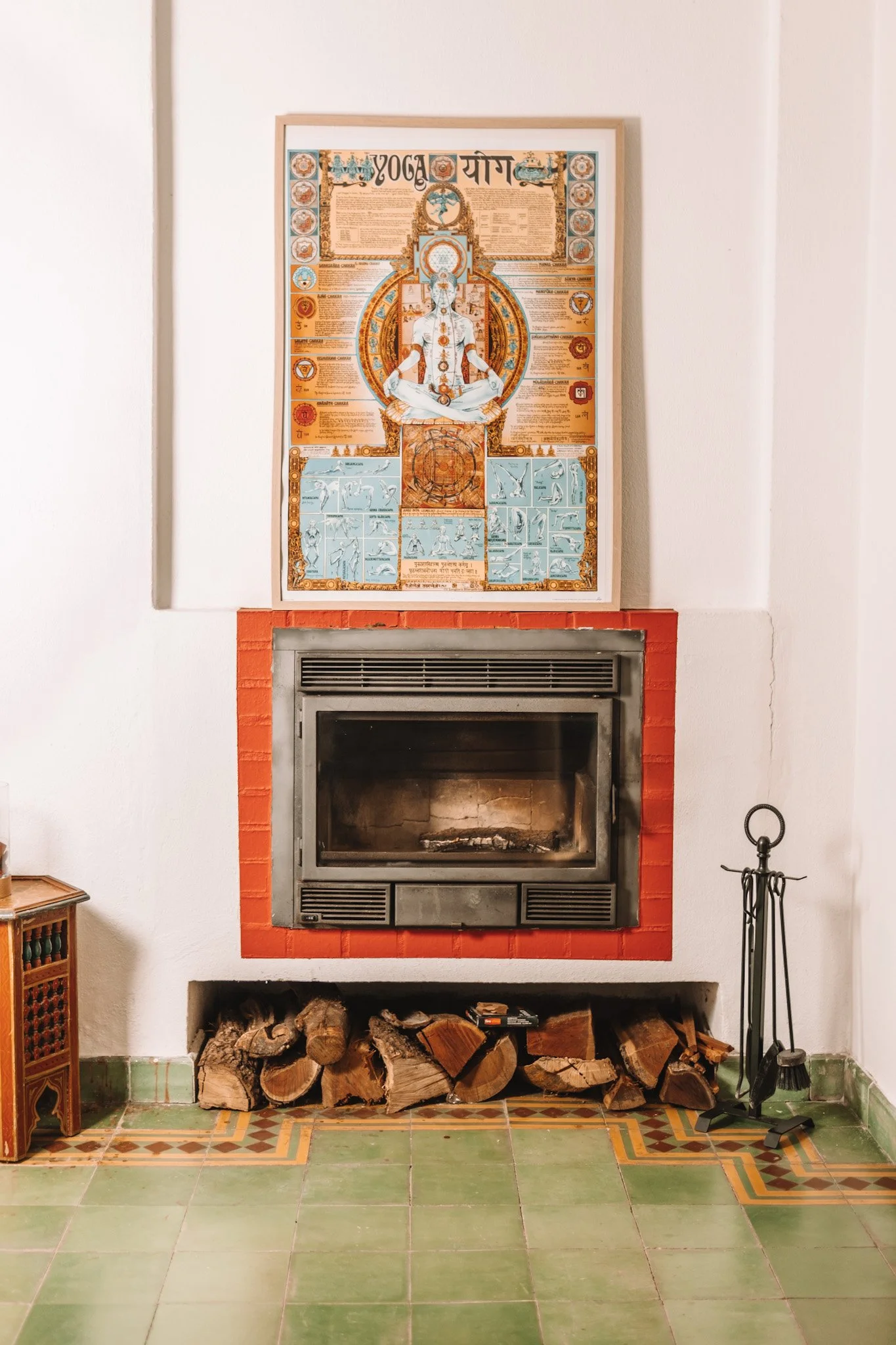
There is a special opportunity for a limited number of students to stay in the stunning Casita house tucked away in the gardens of Floresta Encantada adjacent to the teaching studio.
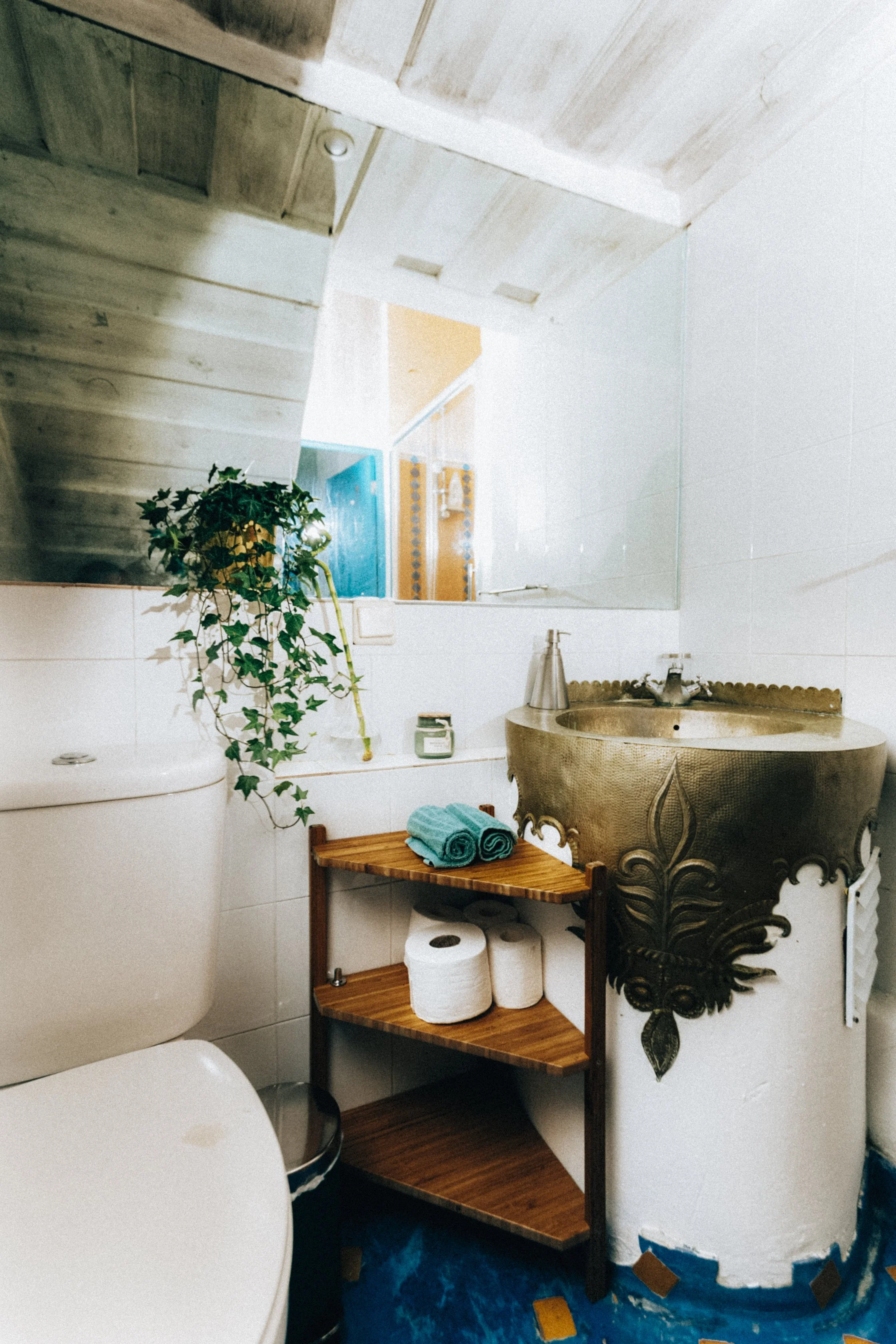
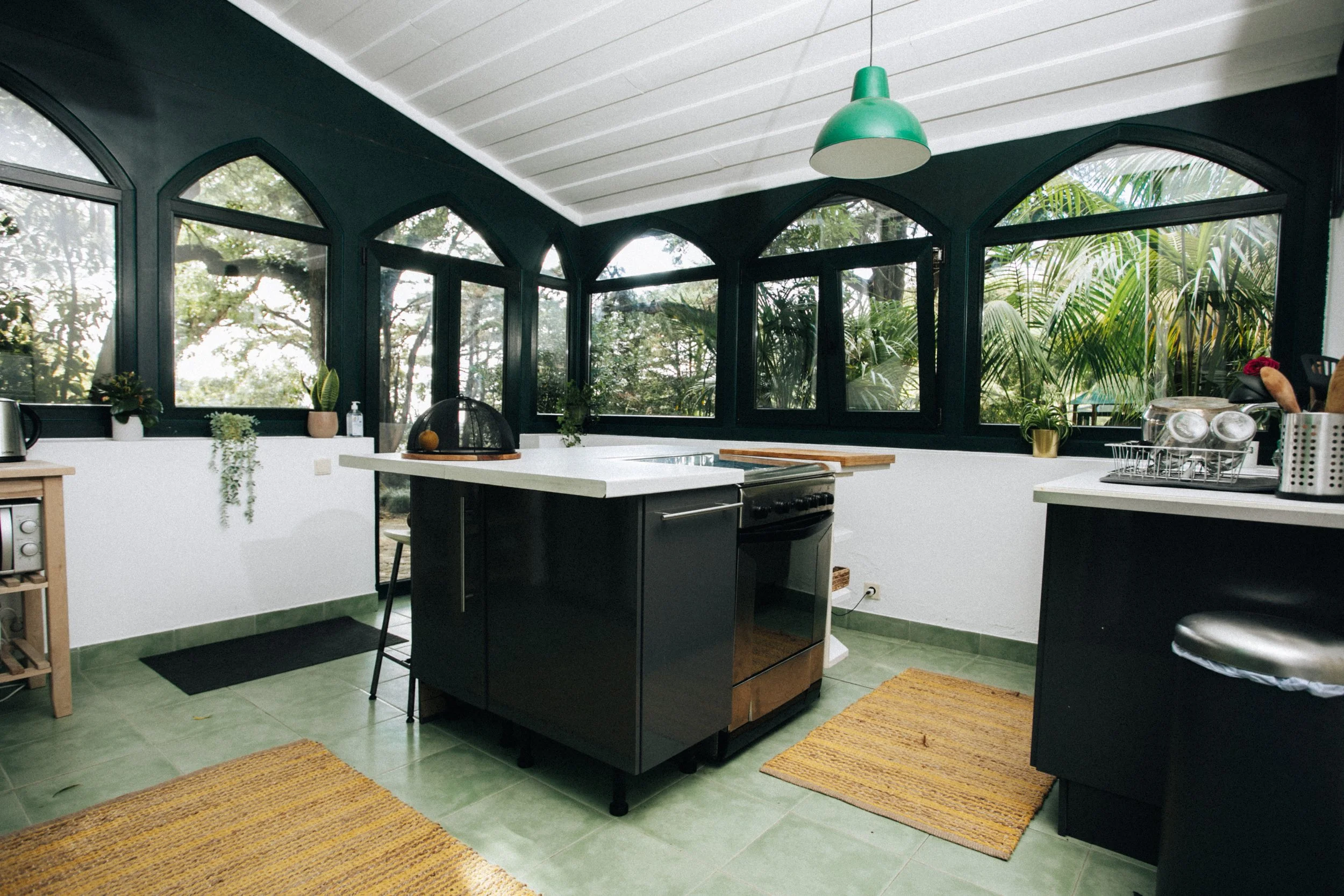
The Casita is a standalone house complete with a full kitchen, living room, two bedrooms and a shared bathroom. Enjoy a touch of luxury in the calm of the gardens. 10 minute walk from the Sintra train station.
Private room with kingsize bed ——————€120 per night
Shared room with twin bed ————————€85 per night
The Casita is reserved for our group with arrivals on October 24th and departures Nov 1st. If you would like to book a room, please add your selection to your cart.
If you would like to extend your reservation on either side of the booking, please let Kate know and she’ll get back to you.
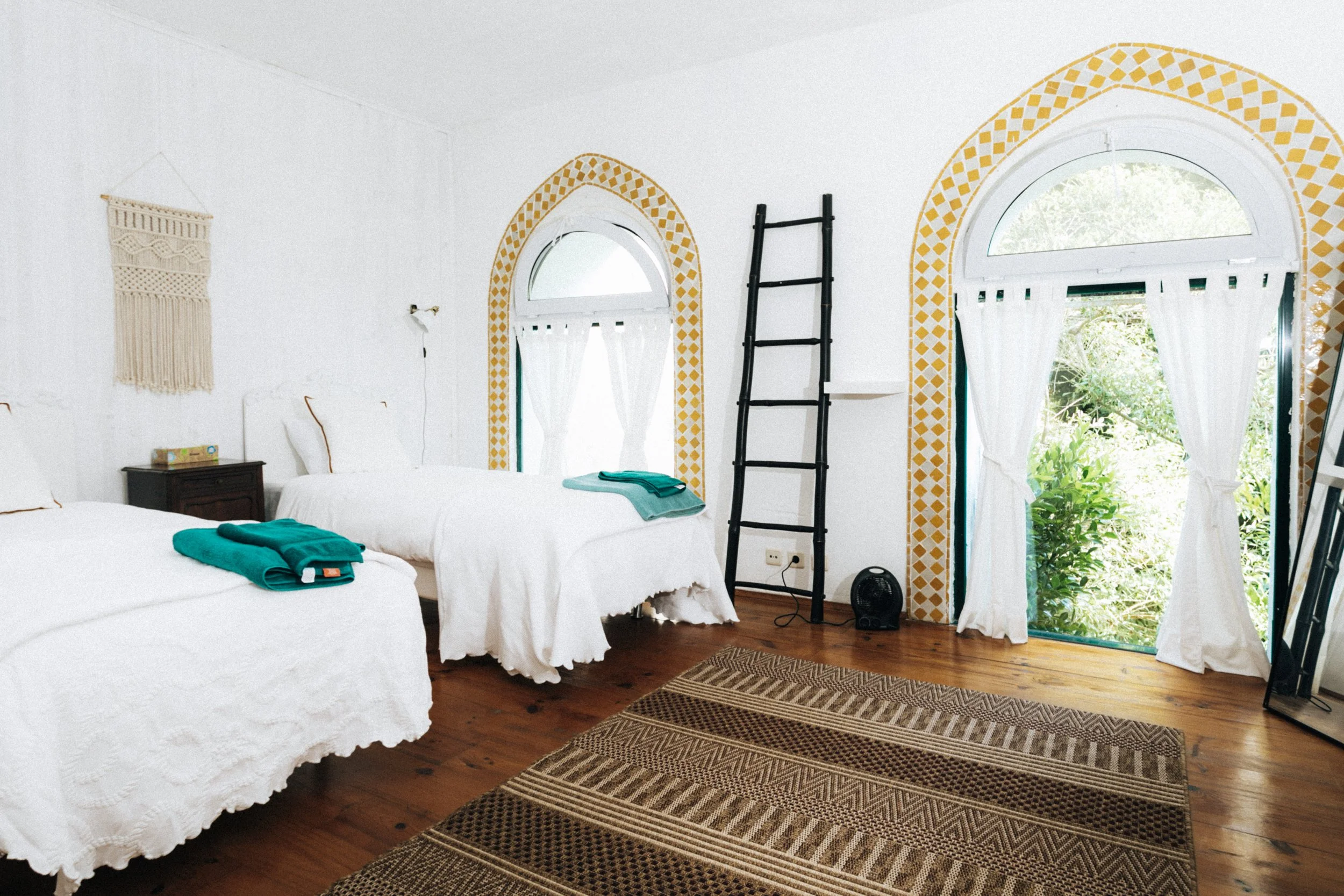
There is a special opportunity for a limited number of students to stay in the stunning Casita house nestled in the gardens of Floresta Encantada adjacent to the teaching studio.
3 beds are available - two single beds in a shared room, or one kingsize bed (for an individual or a couple)
The Casita has a complete kitchen, living room, and ensuite bathrooms. Enjoy a touch of luxury in the calm of the gardens. 10 minute walk from the Sintra train station.
The Casita is reserved for our group with arrivals on October 24th, and departures Nov 1. If you would like to book a room, please add your preference to your booking. If you would like to extend your reservation on either side of the booking, please let Kate know and she’ll get back to you.
Private room with kingsize bed ——————————€120 per night
Shared room with twin bed————————————€85 per night


Off-site Lodging
There are many lodging options within walking distance to Floresta Encantada, and of course those who live in Lisbon or nearby are welcome to commute.
Budget option:
Moon Hill Hostel — central, social hostel ideal for budget travellers and quick access to the train station.
Typical price: ~€20–€50 / night.
https://www.booking.com/Share-Fu3UzS
Mid-range option:
Chalet Relógio Guesthouse — cosy guesthouse very close to town attractions with good guest ratings.
Typical price: ~€50–€120 / night.
https://www.booking.com/Share-ZeKtKMg
High range option:
Quinta Dos Lobos Boutique Hotel — nature-focused boutique hotel just outside central Sintra (quiet, spa options).
Typical price: ~€120–€220 / night.
Your Investment
€1300 / £1135
Equity
For participants with the financial capacity to help make the training accessible to local Portuguese practitioners.
€1000 / £875
Fair
For participants with stable, medium incomes who can comfortably pay the full and fair price of the training.
€500 / £437
Supported
Reserved subsidised places for local Portuguese practitioners earning around the typical national salary (Portugal’s minimum wage is approx. €870/month).
What’s Included:
✔️ Somatics & the Singing Body Online Course
✔️ 3 orientation calls x 6hrs
✔️ 1 integration call x 2hrs
✔️ 6 catered lunches
✔️ All in-person training sessions
✔️ Reading list and further resources
Does Not Include:
𐄂 Travel to Sintra
𐄂 Accommodation
𐄂 Breakfasts / dinners
𐄂 Lunch on Day 6
𐄂 Books & study materials
-
At checkout you can choose to pay in full, or pay in three instalments. Your first instalment will be required to reserve your spot. Kate will be in touch to arrange your payment plan.
-
Your first instalment, or 1/3rd of your fee, is non-refundable.
If you need to cancel, you may transfer your space to someone else. If that is not possible, you will receive a 2/3rd refund until August 24th. After that date, there will be no refunds.
If you booked a room at the Casita and need to cancel, you can receive a full refund if someone is found to take your reservation. If not, refunds will not be possible.
-
Floresta Encantada is located about 10 minutes walk from the Sintra train station. As it does not appear on Google Maps, please input the address: Caminho Azenhas 5, 2710-540 Sintra, Portugal
Closer to the date, we will send out more details instructions on how to find the venue.
-
Photos on this page were taken by
Ana Torres (Singing into Presence 2025)
Soulwalk Studios (Katrin Heuser’s Elevate Event 2025)
Floresta Encantada
“While I’ve done some bodywork and like using my voice the combination of the two with the looseness and the improvisation absolutely and profoundly connected with me. To such an extent that I found it quite hard to realise that something had been missing in my life for so long.”